Products & provenance
The Regional Pantry
0
The complete Tuscany culinary edition
Tuscany’s apparent simplicity rests on demanding choices: the character of an olive oil, the condition of bread, the management of fire and the patience given to a slow preparation. Across five coordinated volumes, explore Florence, Siena, the Maremma and the coast through their products, wines, recipes and table traditions. Pici, ribollita, bistecca and coastal fish open onto different kinds of technique, while beans, grains, cheeses and heritage meats reveal the pantry behind them. The collection connects rural economy, vineyard culture and everyday cooking, helping you see what a restrained dish depends on and which details deserve your attention before you begin. It is a way to understand Tuscany through the food you choose, prepare and share.
100% SAFE & SECURE CHECKOUT
Inside the regional encyclopedia
Begin with the oils, cheeses, breeds, grains and wines that anchor the region, then move through soups, handmade pasta, live fire, braises, the cold table, bread and festive sweets. Historical context and practical method show why Tuscan restraint demands judgement at every stage. Cross references between the volumes clarify how the same product moves from pantry to recipe, which wine completes the table and how season and place influence the final preparation. A bread soup, a shared antipasto or a meal built around the hearth can each become a starting point, with the other volumes supplying the missing context.
Products & provenance
Wine & drinking culture
Cooked cuisine
Cold & preserved cuisine
Bread & sweet traditions
Inside the collection
The five volumes connect what you buy with how you cook and what you serve. Product notes explain the qualities to look for; practical methods clarify texture, timing and technique; wine and cultural context complete the regional picture. Together, they give familiar dishes greater depth and make less familiar preparations easier to approach. Each subject has a clear place, so the collection remains useful for a single kitchen decision as well as a fuller regional meal.
Inside the volume
Learn how to read Tuscan quality at its source: compare oils, cheeses, breeds, beans and grains through denomination notes, seasonal guidance and producer methods, then understand how each ingredient behaves in the kitchen. Rather than treating celebrated names as guarantees, the guide shows which sensory and production details deserve attention and why those distinctions matter in finished dishes. The practical aim is to connect what you notice in a product with what the dish needs, so selection and preparation become one continuous decision.
Pici, ribollita, bistecca, peposo and coastal fish reveal the range behind Tuscany’s apparent simplicity. The recipes connect dough texture, bread hydration, fire management and slow reduction with the result you are aiming for. Learn which changes to watch for and where patience, ingredient condition or a gentler heat makes the difference. Begin with an everyday soup or a dish for a shared table, then build a wider Tuscan repertoire around the methods you come to understand.
See how sharecropping, pastoral production, convent baking, vineyard culture and the contrast between inland and coast shaped a table built on economy, season and exceptional raw materials. The collection places celebrated dishes beside everyday practices, showing how resourcefulness became a coherent culinary language rather than a romantic idea of simplicity. Reading those practices alongside the recipes gives even an everyday meal a clearer sense of place, purpose and the resources it was built around.
Editorial depth you can use
The value of a recipe grows when you understand why its method works. This collection connects ingredient quality, heat, timing and texture with the result you want at the table. Learn to recognise the stage a preparation has reached, understand which details matter most and choose ingredients for their role in the dish. Pantry knowledge, wine and local traditions add context you can use again. Each return to the collection gives you another way to develop your judgement, broaden your repertoire and cook with a clearer sense of place.
Understand what origin, season, production and maturity contribute to an ingredient before it reaches the pan. Quality markers become more useful when they are connected to the preparation you have in mind: a cheese for serving may raise different questions from one used in cooking. The collection helps you relate those distinctions to flavour, texture and handling, so choosing a product becomes part of making the dish.
Understand what each stage is meant to achieve. Practical cues connect heat, moisture, dough texture, fermentation and timing with changes you can recognise as you cook. Learn where patience develops flavour, where gentle handling protects texture and when a preparation is ready for the next step. This makes the method easier to follow and gives you a clearer starting point when you want to refine the result.
Connect a preparation with the landscape, production and occasions that give it a regional identity. A pasta shape, a preserving method or a festive bread carries choices that are easier to understand in context. This perspective helps you recognise the details worth protecting when cooking and the limits of an adaptation. It also makes comparison more rewarding: a familiar ingredient can reveal a different purpose in another part of Italy.
Tuscany Collection
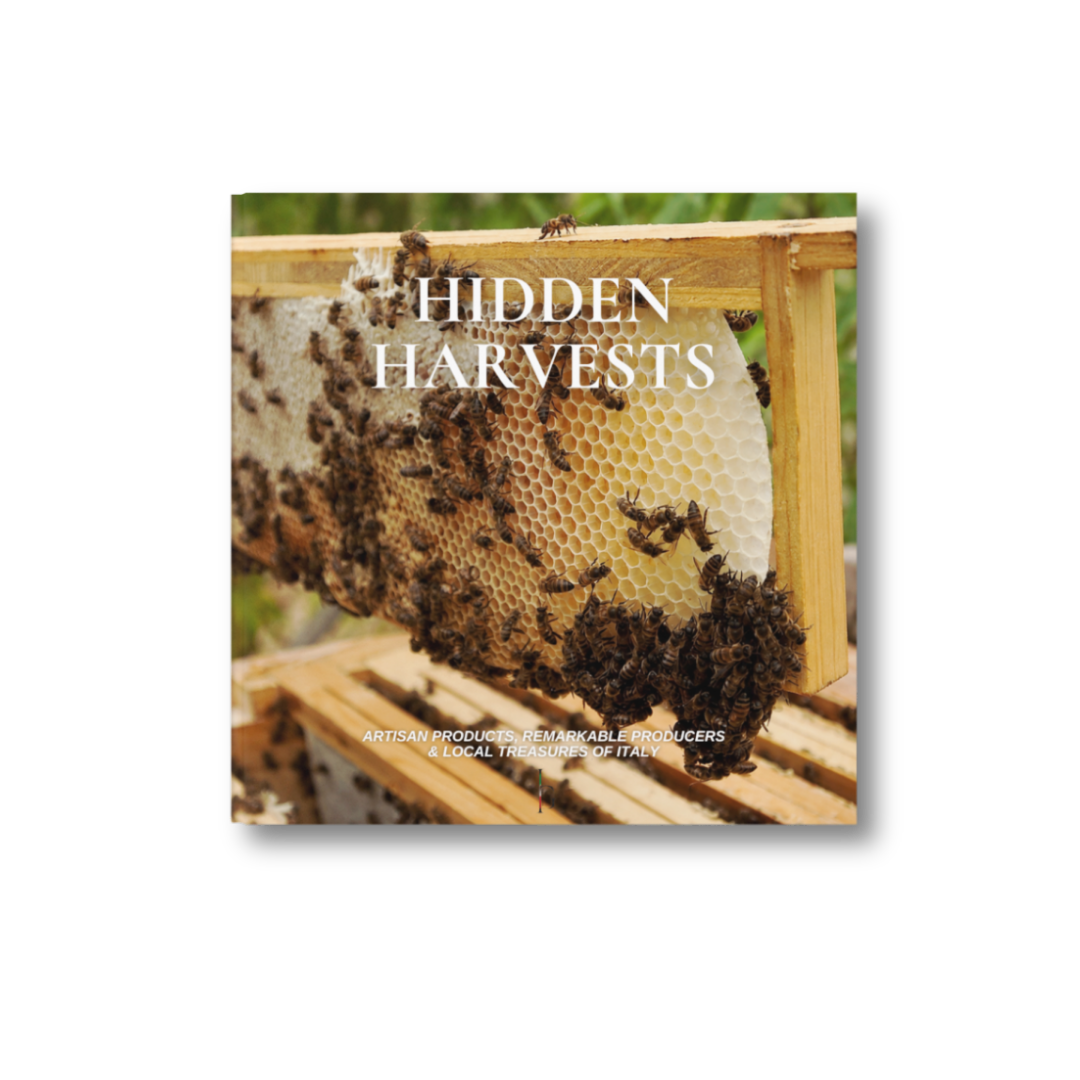
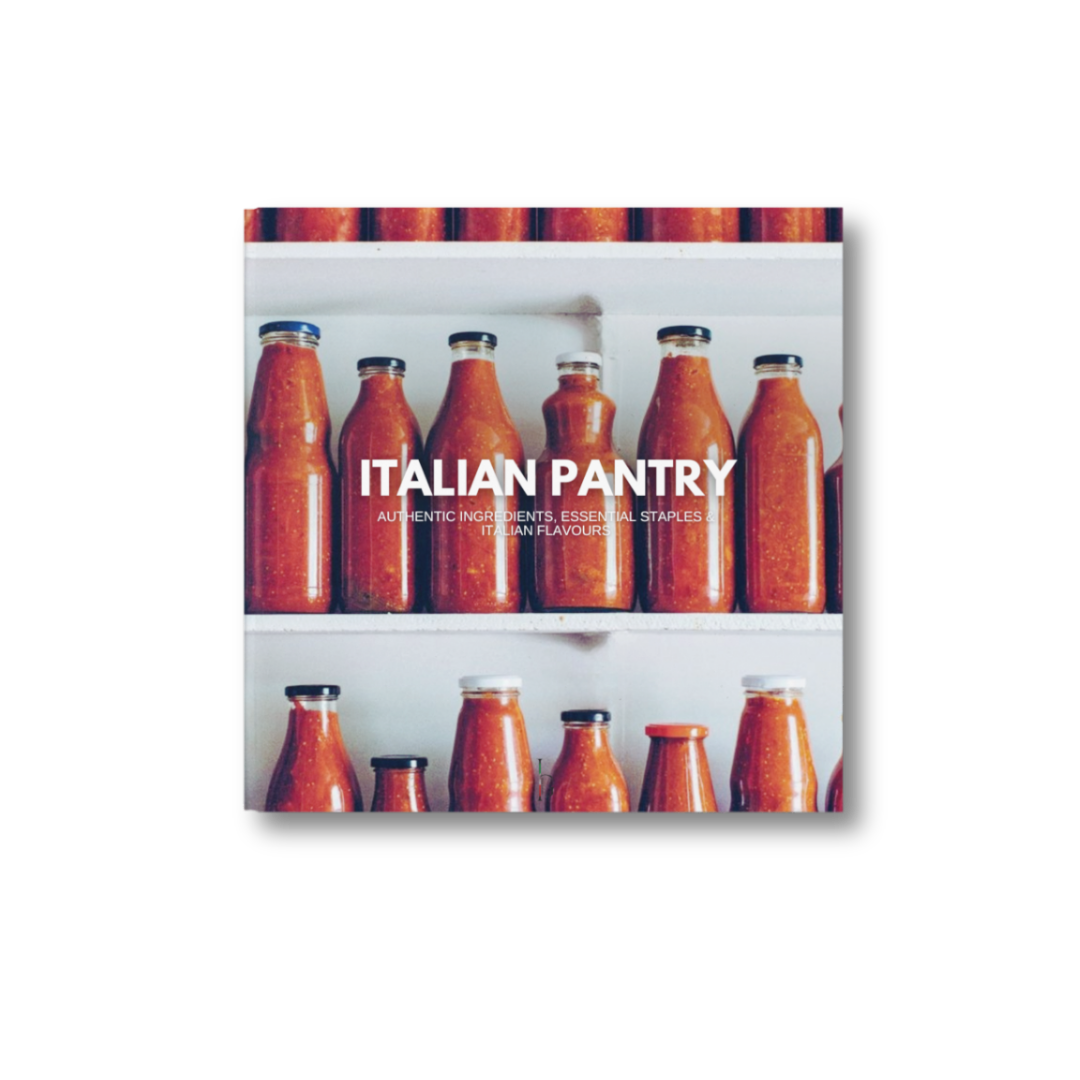
Make the Tuscany Collection your reference from the market to the table. Explore olive oil, bread, beans and heritage meats alongside regional wines, handmade pasta, soups, fire cooking, cold preparations and festive baking. The volumes connect a dish’s method with the products and traditions behind it, giving you useful context for both an everyday meal and a more ambitious regional menu. Hidden Harvests, The Pasta Atlas and The Italian Pantry are included with the collection. Begin with the Tuscan dish you most want to understand, then return for another season, ingredient or corner of the region.
100% SAFE & SECURE CHECKOUT
Order now and receive three specialist guides
Your collection includes Hidden Harvests, The Pasta Atlas and The Italian Pantry. Together, they help with three everyday decisions: recognising a product’s quality, choosing pasta for the dish you have in mind and building a pantry around the way you cook. Use them alongside the regional volumes to connect ingredient selection with preparation, from comparing products before shopping to matching a pasta shape with its sauce. These practical foundations remain useful as you explore new recipes and return to familiar favourites.

Recognise authentic quality before you buy. Explore the makers, landscapes and protected specialities behind Italy’s artisan foods. Origin, season, raw materials and production methods give you useful questions to ask when comparing products: what distinguishes this ingredient, which qualities matter and how will they contribute to the preparation you have in mind? The guide connects the story of a product with the practical reasons for choosing it. Use it to read beyond an attractive name or label and develop a more informed understanding of the flavour, character and craft you are bringing into the kitchen.

Choose pasta by structure, not by habit. A format’s dough, surface, thickness and shape all affect the way it meets a sauce. The Pasta Atlas brings those relationships into focus, connecting regional origins with the texture and proportion of the finished dish. Explore why a delicate emulsion, a substantial ragù or another accompaniment may call for a different pasta and finish. The guide gives you a framework for considering the two together, so choosing a shape becomes part of planning the preparation. Return to it when you want to understand a familiar pairing or make a more considered choice for a new dish.

Build a pantry in which every ingredient earns its place. Begin with the preparations you enjoy making and understand what their ingredients contribute. The Italian Pantry connects function, quality and regional character with practical storage, handling and use. Learn which differences matter when similar products sit beside one another, and how to protect the flavour and texture you chose them for. This guide helps turn a collection of ingredients into a dependable basis for cooking: products with a clear purpose, thoughtful care after opening and a better understanding of how to bring them into the next regional dish you prepare.
You receive the complete regional encyclopedia dedicated to this region. Each regional edition contains The Regional Pantry, Vineyards & Cellars, From the Hearth, The Cold Table and Breads & Sweets. The guides are printable PDFs for use across your devices. Your purchase also includes Hidden Harvests, The Pasta Atlas and The Italian Pantry, the three specialist guides presented in the bonus section.
It is both. Every regional collection includes more than 50 recipes alongside the ingredient knowledge, wine, techniques and cultural context that explain them. Use it while preparing a dish, before shopping or when you want to understand a particular product or tradition. A recipe can be your starting point, with the other material there when you want to know more about its ingredients, method or place at the regional table. The five volume structure keeps these different uses connected within one edition.
The explanations focus on the decisions that affect the result: ingredient condition, proportion, heat, texture, timing and service. Practical checkpoints connect each stage with the change you should be looking for, so the method has a clear purpose as you work. The surrounding material adds context about products, preparation and regional traditions. Before purchasing, look through the selected recipe and volume previews on this page to assess the level of explanation and how it fits the way you prefer to cook and learn.
Yes. Professional training is not assumed, and you can start with one preparation or subject rather than reading the whole collection first. Read the method in full, choose a project that suits your experience and use the practical explanations to understand unfamiliar stages. More experienced cooks can turn to the product knowledge, technical detail and regional context for a deeper study. Different recipes will ask for different levels of time and practice; the collection gives you room to build your repertoire gradually.
Absolutely! Our guides are printable pdf and designed to be convenient to access and use across all your devices. Since they’re digital products, there are no extra shipping costs, you can download and start using them instantly, with no waiting times or delays.
Each volume has a specific role: pantry and products; wine; cooked dishes; the cold table; and breads and sweets. Read an edition in sequence for a fuller regional picture, or begin with a focused question. For example, you might study an ingredient in The Regional Pantry before using it in a recipe, then consult Vineyards & Cellars when planning the meal. The same structure is used across the regional editions, making it easier to compare a subject and return to it later.
The original regional ingredient is explained first so you understand its flavour, texture and role in the preparation. Where an alternative is reasonable, the text identifies the qualities that matter most. This gives you a basis for adapting thoughtfully when shopping outside the region or outside Italy. A substitute may change the dish, and some preparations depend closely on a particular product. The aim is to make those limits clear enough for you to decide whether to adapt, look for the original ingredient or choose another recipe.
Yes. The contents, volume previews and selected recipe material on this page let you examine the collection before choosing it. Look at the subjects covered, the level of practical detail and the way regional context supports the explanations. These examples help you judge whether the edition suits your interests and your way of learning. If you would like clarification about its scope or are comparing it with another collection, you can contact the support team before purchasing.