The complete Lazio culinary edition

Lazio, where simplicity demands precision.

Lazio brings the Roman table into conversation with market gardens, pastoral traditions, the Castelli and the countryside around the capital. Across five coordinated volumes, explore Pecorino Romano, guanciale, artichokes, local wines and the methods behind some of Italy’s most familiar dishes. Carbonara, gricia and cacio e pepe become studies in proportion, heat and the finish of a sauce; vegetables, roasts, cold preparations and baking widen the picture. The collection keeps the practical method beside its ingredients and cultural history, helping you understand what gives each preparation its character. Begin with a Roman favourite, then discover the larger regional food culture that makes it more than an isolated recipe.

05Reference volumes 01Complete region 01Coordinated edition
Lazio culinary collection and Italian regional ingredients
$39.97 USD$79.94 USD50% PRICE REDUCTION
American Express Apple Pay Bancontact Google Pay Klarna Maestro Mastercard PayPal

100% SAFE & SECURE CHECKOUT

Five coordinated reference volumes
Products, wines and techniques explained
50+ recipes with regional context
Written for serious home cooks

Inside the regional encyclopedia

Five volumes from the Roman market to the pastoral countryside.

Begin with Lazio’s defining products and volcanic wines, then study emulsified pasta, frying, braising, roast meats, the cold table, bakery culture and festive sweets. The collection explains the exact technique behind direct flavours and restores the rural context that gives Roman cuisine its depth. Connections between pantry and hearth clarify how salt, fat, starch, bitter vegetables and acidity are balanced across a complete regional meal. Following a product from the market to a pasta sauce, a cold course or a bakery preparation reveals how a small pantry can support a much broader repertoire.

Products & provenance

The Regional Pantry

The Regional Pantry
Pecorino Romano, guanciale, Porchetta di Ariccia, artichokes, olives and regional legumes are studied through origin, seasonality, production and their role in Roman cooking. Pecorino Romano, guanciale and artichokes are considered through the qualities and condition that matter in their intended Roman preparations. Salt, fat, maturity and freshness are treated as technical variables that determine balance in a cuisine built from few ingredients. Explore this volume →

Wine & drinking culture

Vineyards & Cellars

Vineyards & Cellars
Frascati, Cesanese, Bellone, Malvasia Puntinata, regional liqueurs and Roman aperitivo culture are explored through grapes, appellations, tasting profiles, service and pairing. Frascati, Cesanese, Bellone and Malvasia Puntinata bring the region’s wine identity into focus beside its better known food traditions. Volcanic soils and local drinking customs are connected to freshness, structure and the practical role of wine within a Roman meal. Explore this volume →

Cooked cuisine

From the Hearth

From the Hearth
Carbonara, amatriciana, gricia, cacio e pepe, supplì, saltimbocca, coda, abbacchio and trippa reveal a direct cuisine where a few ingredients depend on exact technique. The finish of a Roman pasta, the texture of supplì and the patience of a braise reveal very different kinds of technical judgement. Emulsification, rendering and doneness are isolated clearly, showing where confident simplicity can fail and how to prevent it. Explore this volume →

Cold & preserved cuisine

The Cold Table

The Cold Table
Porchetta, puntarelle, artichokes, salumi, cheeses, marinated vegetables and coastal preparations compose a cold table that moves from Roman markets to the Castelli. Puntarelle, artichokes and marinated vegetables show how bitterness, acidity and texture can provide contrast within a Roman meal. Bitter greens, rich meats and sharp dressings are organised into contrasts that prepare the appetite instead of exhausting it. Explore this volume →

Bread & sweet traditions

Breads & Sweets

Breads & Sweets
Pizza bianca, regional breads, maritozzi, crostate, pangiallo and ciambelline unite the everyday bakery with Lazio’s café, family and festive traditions. Pizza bianca, maritozzi, crostate and festive sweets connect the handling of dough and filling with the customs of Roman and Lazio baking. Street snacks, breakfast pastries and ritual sweets reveal how one baking culture moves between daily appetite and celebration. Explore this volume →

Inside the collection

The knowledge behind
every regional dish.

The five volumes connect what you buy with how you cook and what you serve. Product notes explain the qualities to look for; practical methods clarify texture, timing and technique; wine and cultural context complete the regional picture. Together, they give familiar dishes greater depth and make less familiar preparations easier to approach. Each subject has a clear place, so the collection remains useful for a single kitchen decision as well as a fuller regional meal.

50+ regional recipes

Bring the region to your table.

Carbonara, gricia, amatriciana, cacio e pepe, supplì and abbacchio make the importance of timing and proportion clear. The recipes explain rendered fat, pasta water, emulsification, frying and doneness through the demands of each dish. Understand when residual heat helps a sauce and when it puts its texture at risk. Those practical distinctions give familiar Roman favourites a clearer method, while the wider collection opens the table to the ingredients and traditions of Lazio.

Carbonara, gricia, amatriciana, cacio e pepe, supplì and abbacchio make the importance of timing and proportion clear. The recipes explain rendered fat, pasta water, emulsification, frying and doneness through the demands of each dish. Understand when residual heat helps a sauce and when it puts its texture at risk. Those practical distinctions give familiar Roman favourites a clearer method, while the wider collection opens the table to the ingredients and traditions of Lazio.

Regional intelligence

See the system behind the table.

See how shepherd culture, the Roman market, Jewish cooking, the Castelli and seasonal agriculture converge in a cuisine whose confidence depends on strong regional memory. Historical context places famous trattoria dishes beside home, market and countryside traditions, revealing a Lazio table far broader than its most exported icons. The result is a richer reading of Roman food, where a celebrated dish remains connected to the people and occasions that gave it meaning.

See how shepherd culture, the Roman market, Jewish cooking, the Castelli and seasonal agriculture converge in a cuisine whose confidence depends on strong regional memory. Historical context places famous trattoria dishes beside home, market and countryside traditions, revealing a Lazio table far broader than its most exported icons. The result is a richer reading of Roman food, where a celebrated dish remains connected to the people and occasions that gave it meaning.

Editorial depth you can use

From following a dish to understanding a cuisine.

The value of a recipe grows when you understand why its method works. This collection connects ingredient quality, heat, timing and texture with the result you want at the table. Learn to recognise the stage a preparation has reached, understand which details matter most and choose ingredients for their role in the dish. Pantry knowledge, wine and local traditions add context you can use again. Each return to the collection gives you another way to develop your judgement, broaden your repertoire and cook with a clearer sense of place.

  • 01
    Choose ingredients with confidence

    Understand what origin, season, production and maturity contribute to an ingredient before it reaches the pan. Quality markers become more useful when they are connected to the preparation you have in mind: a cheese for serving may raise different questions from one used in cooking. The collection helps you relate those distinctions to flavour, texture and handling, so choosing a product becomes part of making the dish.

  • 02
    Cook with technical control

    Understand what each stage is meant to achieve. Practical cues connect heat, moisture, dough texture, fermentation and timing with changes you can recognise as you cook. Learn where patience develops flavour, where gentle handling protects texture and when a preparation is ready for the next step. This makes the method easier to follow and gives you a clearer starting point when you want to refine the result.

  • 03
    Cook with a sense of place

    Connect a preparation with the landscape, production and occasions that give it a regional identity. A pasta shape, a preserving method or a festive bread carries choices that are easier to understand in context. This perspective helps you recognise the details worth protecting when cooking and the limits of an adaptation. It also makes comparison more rewarding: a familiar ingredient can reveal a different purpose in another part of Italy.

Excellent — 4.9 out of 5
Lazio Collection

Lazio Collection

Own the complete culinary reference for Lazio.

Make the Lazio Collection your reference for the region’s pantry, cellar and kitchen. Study the ingredients and decisions behind Roman pasta, explore vegetables and pastoral cooking, then continue through the cold table, breads and sweets of the wider region. Use the collection for a specific preparation or to plan a meal with a clearer sense of place and sequence. Hidden Harvests, The Pasta Atlas and The Italian Pantry are also included. The edition gives familiar Roman dishes the context they deserve while opening the door to the markets, countryside and local traditions that complete the story of Lazio.

$39.97 USD$79.94 USD50% PRICE REDUCTION
American Express Apple Pay Bancontact Google Pay Klarna Maestro Mastercard PayPal

100% SAFE & SECURE CHECKOUT

Order now and receive three specialist guides

Three specialist guides,
included with your collection.

Your collection includes Hidden Harvests, The Pasta Atlas and The Italian Pantry. Together, they help with three everyday decisions: recognising a product’s quality, choosing pasta for the dish you have in mind and building a pantry around the way you cook. Use them alongside the regional volumes to connect ingredient selection with preparation, from comparing products before shopping to matching a pasta shape with its sauce. These practical foundations remain useful as you explore new recipes and return to familiar favourites.

Included bonus 01

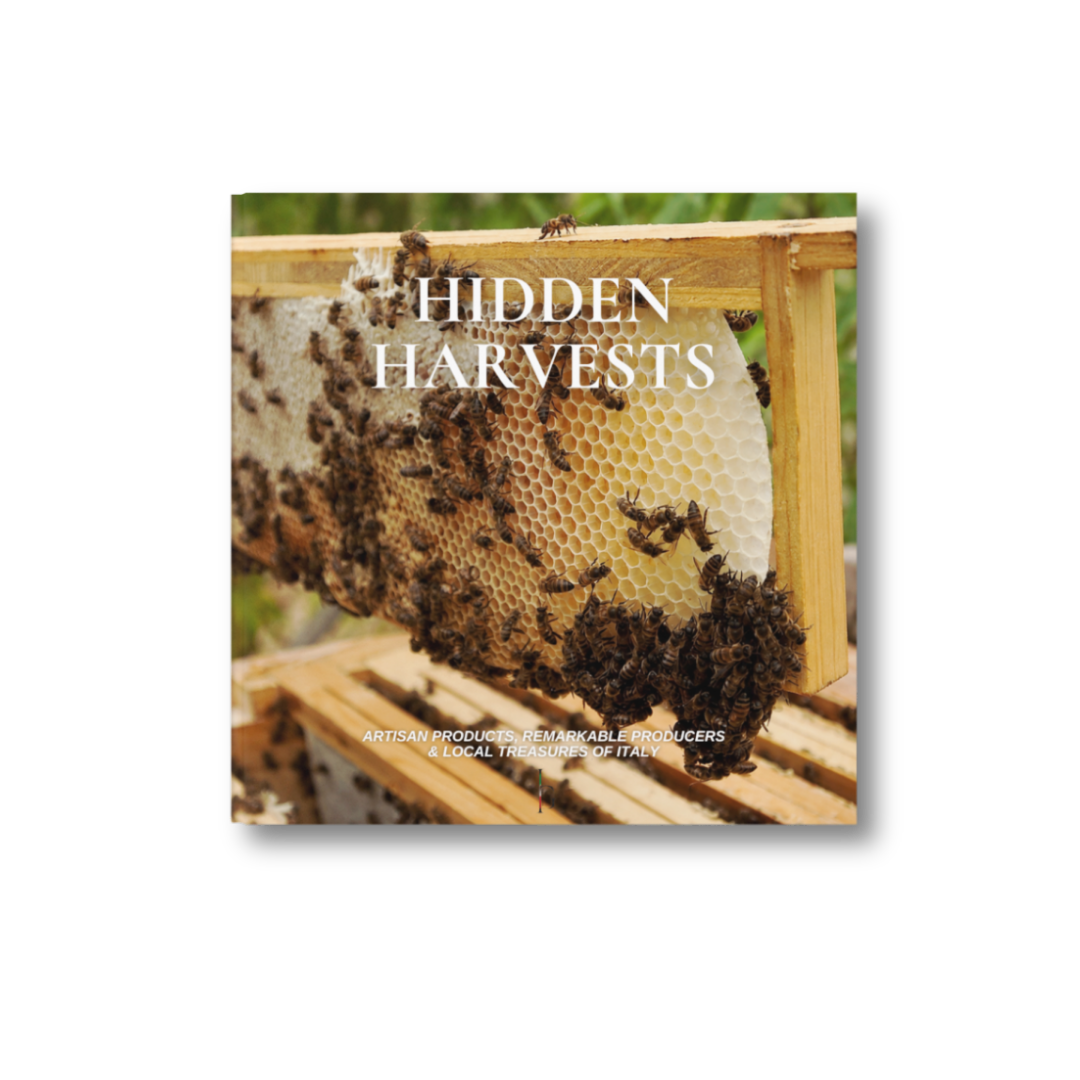
Hidden Harvests

Hidden Harvests bonus guide

Recognise authentic quality before you buy. Explore the makers, landscapes and protected specialities behind Italy’s artisan foods. Origin, season, raw materials and production methods give you useful questions to ask when comparing products: what distinguishes this ingredient, which qualities matter and how will they contribute to the preparation you have in mind? The guide connects the story of a product with the practical reasons for choosing it. Use it to read beyond an attractive name or label and develop a more informed understanding of the flavour, character and craft you are bringing into the kitchen.

Included bonus 02

The Pasta Atlas

The Pasta Atlas bonus guide

Choose pasta by structure, not by habit. A format’s dough, surface, thickness and shape all affect the way it meets a sauce. The Pasta Atlas brings those relationships into focus, connecting regional origins with the texture and proportion of the finished dish. Explore why a delicate emulsion, a substantial ragù or another accompaniment may call for a different pasta and finish. The guide gives you a framework for considering the two together, so choosing a shape becomes part of planning the preparation. Return to it when you want to understand a familiar pairing or make a more considered choice for a new dish.

Included bonus 03

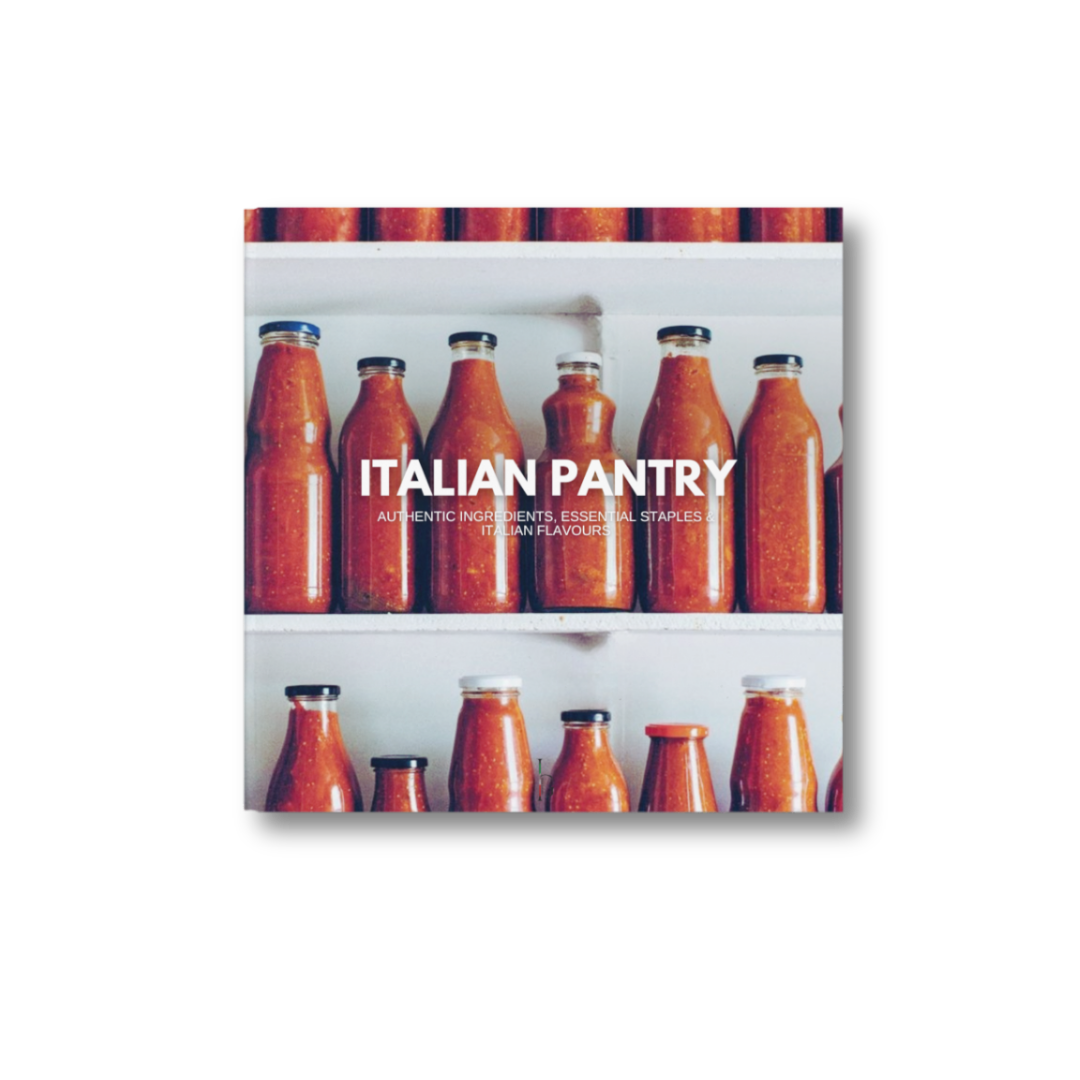
The Italian Pantry

The Italian Pantry bonus guide

Build a pantry in which every ingredient earns its place. Begin with the preparations you enjoy making and understand what their ingredients contribute. The Italian Pantry connects function, quality and regional character with practical storage, handling and use. Learn which differences matter when similar products sit beside one another, and how to protect the flavour and texture you chose them for. This guide helps turn a collection of ingredients into a dependable basis for cooking: products with a clear purpose, thoughtful care after opening and a better understanding of how to bring them into the next regional dish you prepare.

Continue through Italy

One country. Many complete culinary systems.

Let the next edition follow your curiosity. Choose another region to explore its complete pantry, cellar and kitchen, or compare neighbouring cuisines through a composed collection. The shared five volume structure gives you familiar points of reference while each edition keeps its own ingredients, methods and traditions. A wine you enjoyed, a pasta you want to understand or a new ingredient can become the beginning of the next journey.

15 regional editionsAll Regional CollectionsExplore → 5 regional journey editionsItalian Journey CollectionsExplore →

FAQ

What exactly is included?

You receive the complete regional encyclopedia dedicated to this region. Each regional edition contains The Regional Pantry, Vineyards & Cellars, From the Hearth, The Cold Table and Breads & Sweets. The guides are printable PDFs for use across your devices. Your purchase also includes Hidden Harvests, The Pasta Atlas and The Italian Pantry, the three specialist guides presented in the bonus section.

Is this a cookbook or a culinary reference?

It is both. Every regional collection includes more than 50 recipes alongside the ingredient knowledge, wine, techniques and cultural context that explain them. Use it while preparing a dish, before shopping or when you want to understand a particular product or tradition. A recipe can be your starting point, with the other material there when you want to know more about its ingredients, method or place at the regional table. The five volume structure keeps these different uses connected within one edition.

How detailed are the recipes and techniques?

The explanations focus on the decisions that affect the result: ingredient condition, proportion, heat, texture, timing and service. Practical checkpoints connect each stage with the change you should be looking for, so the method has a clear purpose as you work. The surrounding material adds context about products, preparation and regional traditions. Before purchasing, look through the selected recipe and volume previews on this page to assess the level of explanation and how it fits the way you prefer to cook and learn.

Is the collection suitable for beginners and experienced cooks?

Yes. Professional training is not assumed, and you can start with one preparation or subject rather than reading the whole collection first. Read the method in full, choose a project that suits your experience and use the practical explanations to understand unfamiliar stages. More experienced cooks can turn to the product knowledge, technical detail and regional context for a deeper study. Different recipes will ask for different levels of time and practice; the collection gives you room to build your repertoire gradually.

Are the guides easy to use?

Absolutely! Our guides are printable pdf and designed to be convenient to access and use across all your devices. Since they’re digital products, there are no extra shipping costs, you can download and start using them instantly, with no waiting times or delays.

How is the collection organised?

Each volume has a specific role: pantry and products; wine; cooked dishes; the cold table; and breads and sweets. Read an edition in sequence for a fuller regional picture, or begin with a focused question. For example, you might study an ingredient in The Regional Pantry before using it in a recipe, then consult Vineyards & Cellars when planning the meal. The same structure is used across the regional editions, making it easier to compare a subject and return to it later.

What if a regional ingredient is unavailable?

The original regional ingredient is explained first so you understand its flavour, texture and role in the preparation. Where an alternative is reasonable, the text identifies the qualities that matter most. This gives you a basis for adapting thoughtfully when shopping outside the region or outside Italy. A substitute may change the dish, and some preparations depend closely on a particular product. The aim is to make those limits clear enough for you to decide whether to adapt, look for the original ingredient or choose another recipe.

Can I examine the editorial approach before purchasing?

Yes. The contents, volume previews and selected recipe material on this page let you examine the collection before choosing it. Look at the subjects covered, the level of practical detail and the way regional context supports the explanations. These examples help you judge whether the edition suits your interests and your way of learning. If you would like clarification about its scope or are comparing it with another collection, you can contact the support team before purchasing.