3 complete regional encyclopedias · 15 coordinated volumes

Central Italy, three essential cuisines across countryside, mountains and coast.

Tuscany, Abruzzo and Lazio share familiar ingredients, yet put them to work in distinctive ways. Across 15 volumes, explore all three complete regional editions through olive oil, bread, legumes, cheeses, wine and the methods that turn them into local food. A Tuscan bread soup, Abruzzese chitarra pasta and a Roman sauce each reveal a different kind of judgement about texture, proportion and heat. The collection connects those kitchen decisions with countryside, mountain pastures, the Adriatic and the markets of the capital. Choose it to study these three regional tables in depth, with the full detail of each cuisine available whenever you want to move from comparison to a particular dish.

15Reference volumes 03Regional collections 01Coordinated edition
Central Italy Collection and Italian regional ingredients
$89.97 USD$224.93 USD60% PRICE REDUCTION
American Express Apple Pay Bancontact Google Pay Klarna Maestro Mastercard PayPal

100% SAFE & SECURE CHECKOUT

Every regional collection included in full
Five focused volumes for every region
50+ recipes in every regional collection
One coordinated reference library

Inside the regional library

Tuscany, Abruzzo and Lazio, three complete regional identities.

The complete Tuscany, Abruzzo and Lazio encyclopedias are included, with five volumes per region and 15 volumes in total. Every edition covers its pantry, cellar, cooked dishes, cold table, breads and sweets. Follow one region from beginning to end or compare a subject across all three: what bread contributes to a Tuscan preparation, how pasta and embers shape an Abruzzese meal, or which decisions determine the finish of a Roman sauce. Shared ingredients make the differences especially useful to study. The full regional context keeps these comparisons grounded in the products, methods and occasions that give each table its identity.

01 · Complete regional collection

Tuscany

Olive oil, unsalted bread, beans, heritage meats and wine connect Florence, Siena, the Maremma and the Tuscan coast. Pici, ribollita, bistecca and coastal fish reveal different kinds of judgement beneath the region’s reputation for simplicity. The complete edition follows pantry and cellar into cooked dishes, cold preparations, breads and sweets. Study how bread’s condition, the management of fire or the choice of a finishing oil can change the result, with rural traditions and local context supporting the practical method.

02 · Complete regional collection

Abruzzo

Mountain pastures, saffron fields and the Adriatic coast give Abruzzo a varied culinary identity. Chitarra pasta, arrosticini, sheep’s milk cheeses, cured meats and coastal brodetti connect ingredients with contrasting methods and settings. The complete edition follows pantry and cellar through cooked dishes, the cold table, breads and sweets. Explore the relationship between a pasta’s thickness, the management of embers or the order of a fish preparation, with regional wines and local traditions completing the picture.

03 · Complete regional collection

Lazio

Pecorino Romano, guanciale, artichokes and seasonal vegetables connect Rome’s familiar dishes with the countryside and markets around the capital. Carbonara, gricia and cacio e pepe invite close attention to proportion, heat and the finish of a sauce. The complete edition extends into roasts, cold preparations, local wines, breads and sweets, restoring the wider regional table around those names. Explore what each ingredient contributes, which stages demand care and how a preparation fits into the daily and festive life of Lazio.

The complete regional editions

Every region in full.
Every connection visible.

Explore the complete regional editions included in Central Italy Collection. Each retains all five volumes, with its products, wines, recipes, techniques and cultural context intact. The previews let you examine how a subject is explained before following it into another cuisine. Compare a preparation, a pantry ingredient or a wine tradition, then return to the individual region for the detail behind the difference. This is the advantage of studying complete editions together: you can widen your repertoire while keeping a clear understanding of where each method and custom belongs.

01

Complete regional collection

Tuscany

Tuscany

Travel through Florence, Siena, the Maremma and the Tuscan countryside to discover a cuisine built on excellent olive oil, bread, beans, game and seasonal produce. Explore ribollita, pappa al pomodoro, pici, bistecca alla fiorentina and coastal seafood, alongside Chianti, Brunello and traditional vineyard culture. The collection connects family recipes, protected products and rural cooking methods, explaining how simplicity, landscape and local identity define the enduring character of the Tuscan table. Across the five volumes, countryside, city and coast remain part of the same regional conversation, with ingredients and wines connected to cooked dishes, cold preparations and baking rather than separated from the local life around them. Practical guidance on ingredient quality, bread hydration, dough and fire turns familiar dishes into a disciplined study of texture, timing and balance.

02

Complete regional collection

Abruzzo

Abruzzo

Explore Abruzzo between the Apennines and the Adriatic, where mountain pastures, cultivated valleys and coastal towns support distinct but connected kitchens. Saffron, lentils, pecorino, cured meats and olive oil lead into chitarra pasta, arrosticini, broths and fish preparations. Montepulciano d’Abruzzo, Cerasuolo and the region’s white wines place the cellar within the same culinary landscape. Across five volumes, ingredient portraits, recipes and regional context extend through the cold table, rustic breads and festive sweets. Practical guidance on dough, embers, broth and pastry shows how texture and timing give each preparation its character, while pastoral traditions, seasonal work and family occasions explain the food’s place in local life.

03

Complete regional collection

Lazio

Lazio

Explore the food culture of Rome and the surrounding countryside through carbonara, amatriciana, cacio e pepe, artichokes, pecorino and guanciale. Discover market traditions, pastoral cooking, seasonal vegetables and the wines of the Castelli Romani, with recipes that move between city trattorias and rural family kitchens. The collection explains the ingredients, methods and history behind a cuisine known for direct flavours, confident simplicity and an unmistakable Roman identity. The five volumes keep Rome connected to its surrounding countryside, moving through ingredients, wines, cooked dishes, cold preparations and baking to show how pastoral traditions and market culture remain present in the everyday regional table. Clear checkpoints for rendering, emulsification, frying and doneness reveal where a few strong ingredients demand the greatest technical control.

Editorial depth you can use

From following a dish to understanding a cuisine.

The value of a recipe grows when you understand why its method works. This collection connects ingredient quality, heat, timing and texture with the result you want at the table. Learn to recognise the stage a preparation has reached, understand which details matter most and choose ingredients for their role in the dish. Pantry knowledge, wine and local traditions add context you can use again. Each return to the collection gives you another way to develop your judgement, broaden your repertoire and cook with a clearer sense of place.

  • 01
    Choose ingredients with confidence

    Understand what origin, season, production and maturity contribute to an ingredient before it reaches the pan. Quality markers become more useful when they are connected to the preparation you have in mind: a cheese for serving may raise different questions from one used in cooking. The collection helps you relate those distinctions to flavour, texture and handling, so choosing a product becomes part of making the dish.

  • 02
    Cook with technical control

    Understand what each stage is meant to achieve. Practical cues connect heat, moisture, dough texture, fermentation and timing with changes you can recognise as you cook. Learn where patience develops flavour, where gentle handling protects texture and when a preparation is ready for the next step. This makes the method easier to follow and gives you a clearer starting point when you want to refine the result.

  • 03
    Cook with a sense of place

    Connect a preparation with the landscape, production and occasions that give it a regional identity. A pasta shape, a preserving method or a festive bread carries choices that are easier to understand in context. This perspective helps you recognise the details worth protecting when cooking and the limits of an adaptation. It also makes comparison more rewarding: a familiar ingredient can reveal a different purpose in another part of Italy.

Excellent — 4.9 out of 5
Central Italy Collection

Central Italy Collection

Bring the complete culinary heart of Italy into one library.

Bring Tuscany, Abruzzo and Lazio together with the Central Italy Collection. Explore the ingredients, wines, recipes and traditions of each region in full, then follow their connections across countryside, mountain and coast. Hidden Harvests, The Pasta Atlas and The Italian Pantry accompany the collection as three included specialist guides. This edition suits a cook who wants to understand the differences within familiar food: the treatment of bread, the texture of pasta, the use of pecorino or the balance of a vegetable dish. Each question can lead into a complete regional study, with the neighbouring tables ready to explore.

$89.97 USD$224.93 USD60% PRICE REDUCTION
American Express Apple Pay Bancontact Google Pay Klarna Maestro Mastercard PayPal

100% SAFE & SECURE CHECKOUT

Order now and receive three specialist guides

Three specialist guides,
included with your collection.

Your collection includes Hidden Harvests, The Pasta Atlas and The Italian Pantry. Together, they help with three everyday decisions: recognising a product’s quality, choosing pasta for the dish you have in mind and building a pantry around the way you cook. Use them alongside the regional volumes to connect ingredient selection with preparation, from comparing products before shopping to matching a pasta shape with its sauce. These practical foundations remain useful as you explore new recipes and return to familiar favourites.

Included bonus 01

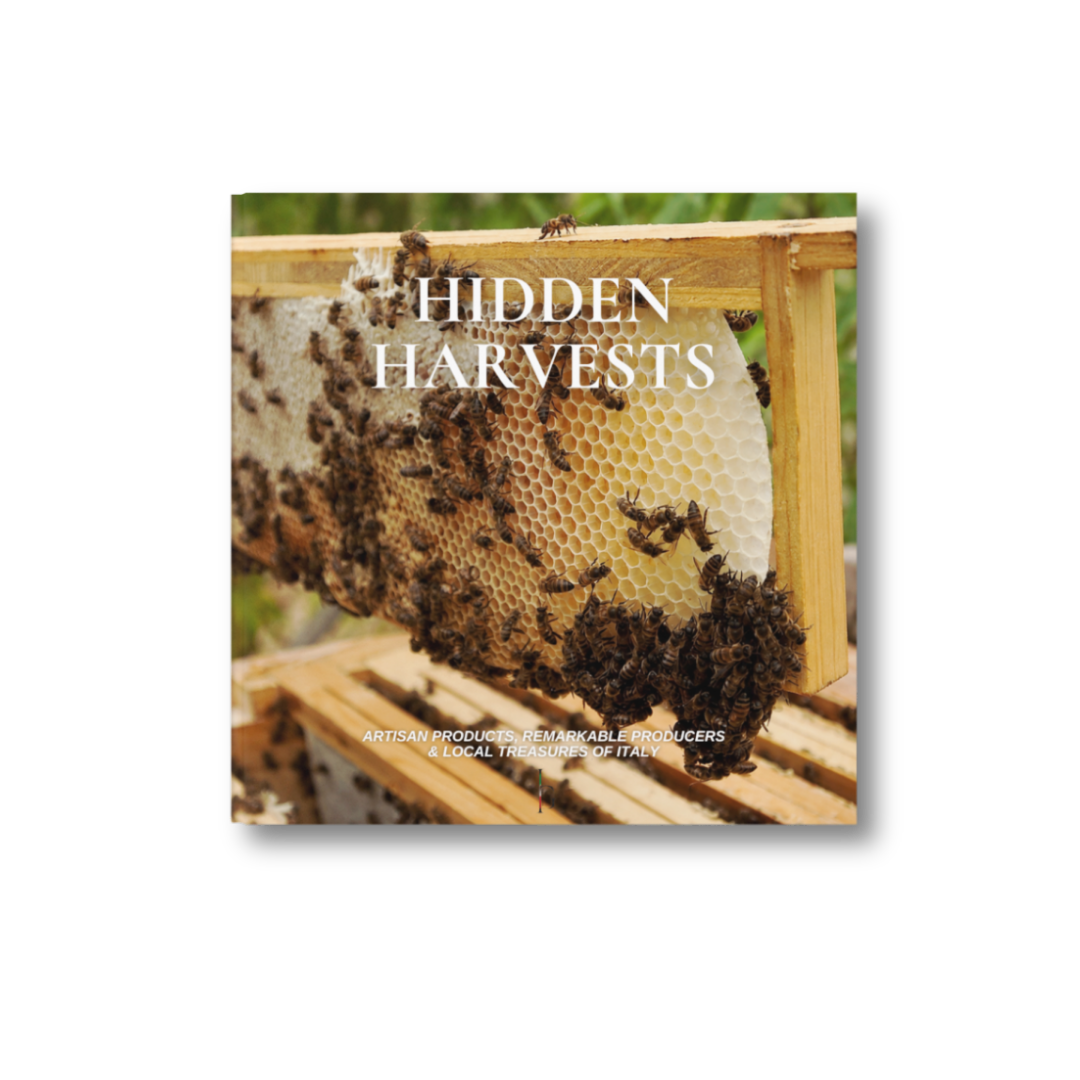
Hidden Harvests

Hidden Harvests bonus guide

Recognise authentic quality before you buy. Explore the makers, landscapes and protected specialities behind Italy’s artisan foods. Origin, season, raw materials and production methods give you useful questions to ask when comparing products: what distinguishes this ingredient, which qualities matter and how will they contribute to the preparation you have in mind? The guide connects the story of a product with the practical reasons for choosing it. Use it to read beyond an attractive name or label and develop a more informed understanding of the flavour, character and craft you are bringing into the kitchen.

Included bonus 02

The Pasta Atlas

The Pasta Atlas bonus guide

Choose pasta by structure, not by habit. A format’s dough, surface, thickness and shape all affect the way it meets a sauce. The Pasta Atlas brings those relationships into focus, connecting regional origins with the texture and proportion of the finished dish. Explore why a delicate emulsion, a substantial ragù or another accompaniment may call for a different pasta and finish. The guide gives you a framework for considering the two together, so choosing a shape becomes part of planning the preparation. Return to it when you want to understand a familiar pairing or make a more considered choice for a new dish.

Included bonus 03

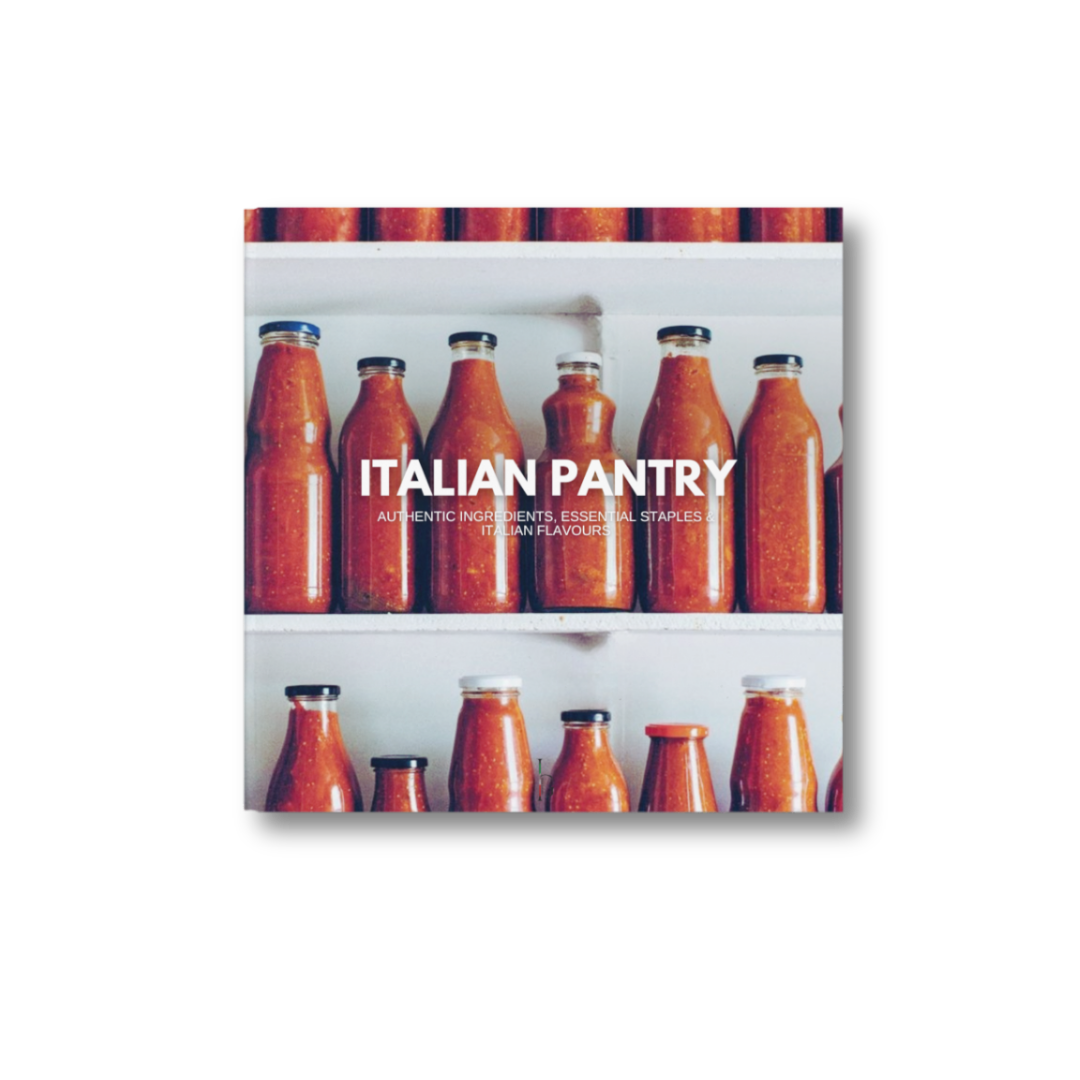
The Italian Pantry

The Italian Pantry bonus guide

Build a pantry in which every ingredient earns its place. Begin with the preparations you enjoy making and understand what their ingredients contribute. The Italian Pantry connects function, quality and regional character with practical storage, handling and use. Learn which differences matter when similar products sit beside one another, and how to protect the flavour and texture you chose them for. This guide helps turn a collection of ingredients into a dependable basis for cooking: products with a clear purpose, thoughtful care after opening and a better understanding of how to bring them into the next regional dish you prepare.

Continue through Italy

One country. Many complete culinary systems.

Let the next edition follow your curiosity. Choose another region to explore its complete pantry, cellar and kitchen, or compare neighbouring cuisines through a composed collection. The shared five volume structure gives you familiar points of reference while each edition keeps its own ingredients, methods and traditions. A wine you enjoyed, a pasta you want to understand or a new ingredient can become the beginning of the next journey.

15 regional editionsAll Regional CollectionsExplore → 5 regional journey editionsItalian Journey CollectionsExplore →

FAQ

What exactly is included?

You receive 3 complete regional encyclopedias, comprising 15 coordinated volumes. Every regional edition is included in full. Each regional edition contains The Regional Pantry, Vineyards & Cellars, From the Hearth, The Cold Table and Breads & Sweets. The guides are printable PDFs for use across your devices. Your purchase also includes Hidden Harvests, The Pasta Atlas and The Italian Pantry, the three specialist guides presented in the bonus section.

Is this a cookbook or a culinary reference?

It is both. Every regional collection includes more than 50 recipes alongside the ingredient knowledge, wine, techniques and cultural context that explain them. Use it while preparing a dish, before shopping or when you want to understand a particular product or tradition. A recipe can be your starting point, with the other material there when you want to know more about its ingredients, method or place at the regional table. The five volume structure keeps these different uses connected within one edition.

How detailed are the recipes and techniques?

The explanations focus on the decisions that affect the result: ingredient condition, proportion, heat, texture, timing and service. Practical checkpoints connect each stage with the change you should be looking for, so the method has a clear purpose as you work. The surrounding material adds context about products, preparation and regional traditions. Before purchasing, look through the selected recipe and volume previews on this page to assess the level of explanation and how it fits the way you prefer to cook and learn.

Is the collection suitable for beginners and experienced cooks?

Yes. Professional training is not assumed, and you can start with one preparation or subject rather than reading the whole collection first. Read the method in full, choose a project that suits your experience and use the practical explanations to understand unfamiliar stages. More experienced cooks can turn to the product knowledge, technical detail and regional context for a deeper study. Different recipes will ask for different levels of time and practice; the collection gives you room to build your repertoire gradually.

Are the guides easy to use?

Absolutely! Our guides are printable pdf and designed to be convenient to access and use across all your devices. Since they’re digital products, there are no extra shipping costs, you can download and start using them instantly, with no waiting times or delays.

How is the collection organised?

Each volume has a specific role: pantry and products; wine; cooked dishes; the cold table; and breads and sweets. Read an edition in sequence for a fuller regional picture, or begin with a focused question. For example, you might study an ingredient in The Regional Pantry before using it in a recipe, then consult Vineyards & Cellars when planning the meal. The same structure is used across the regional editions, making it easier to compare a subject and return to it later.

What if a regional ingredient is unavailable?

The original regional ingredient is explained first so you understand its flavour, texture and role in the preparation. Where an alternative is reasonable, the text identifies the qualities that matter most. This gives you a basis for adapting thoughtfully when shopping outside the region or outside Italy. A substitute may change the dish, and some preparations depend closely on a particular product. The aim is to make those limits clear enough for you to decide whether to adapt, look for the original ingredient or choose another recipe.

Can I examine the editorial approach before purchasing?

Yes. The contents, volume previews and selected recipe material on this page let you examine the collection before choosing it. Look at the subjects covered, the level of practical detail and the way regional context supports the explanations. These examples help you judge whether the edition suits your interests and your way of learning. If you would like clarification about its scope or are comparing it with another collection, you can contact the support team before purchasing.